Breaking: Decentralized Exchange Liquidity in 2026: 5 Key Trends Driving Market Shifts
What You Need to Know (TL;DR):
- What is happening: Decentralized exchanges (DEXs) are experiencing unprecedented liquidity growth due to technological innovations and regulatory shifts.
- Why it matters right now: This surge is reshaping trading dynamics, affecting asset prices and user participation in the crypto market.
- What to watch next: Upcoming regulatory guidelines from major jurisdictions could either bolster or stifle this trend.
The Full Story
As of April 18, 2026, decentralized exchanges are at the forefront of the cryptocurrency landscape, boasting a dramatic increase in liquidity. Five key trends are fueling this shift: the rise of automated market makers (AMMs), enhanced interoperability between blockchains, the growing acceptance of decentralized finance (DeFi) by traditional financial institutions, regulatory clarity, and the surge in retail investor participation.
AMMs have revolutionized liquidity provision, allowing users to trade without relying on traditional order books, thus enhancing overall market efficiency. Additionally, cross-chain technology is enabling liquidity to flow seamlessly between different blockchain ecosystems, further amplifying trading volume.
Regulatory developments are playing a crucial role too; major economies are beginning to establish clearer frameworks for digital assets, encouraging institutional players to enter the space. Meanwhile, retail investors, emboldened by recent market rallies and educational initiatives, are increasingly turning to DEXs for trading.
Market Impact as of April 18, 2026
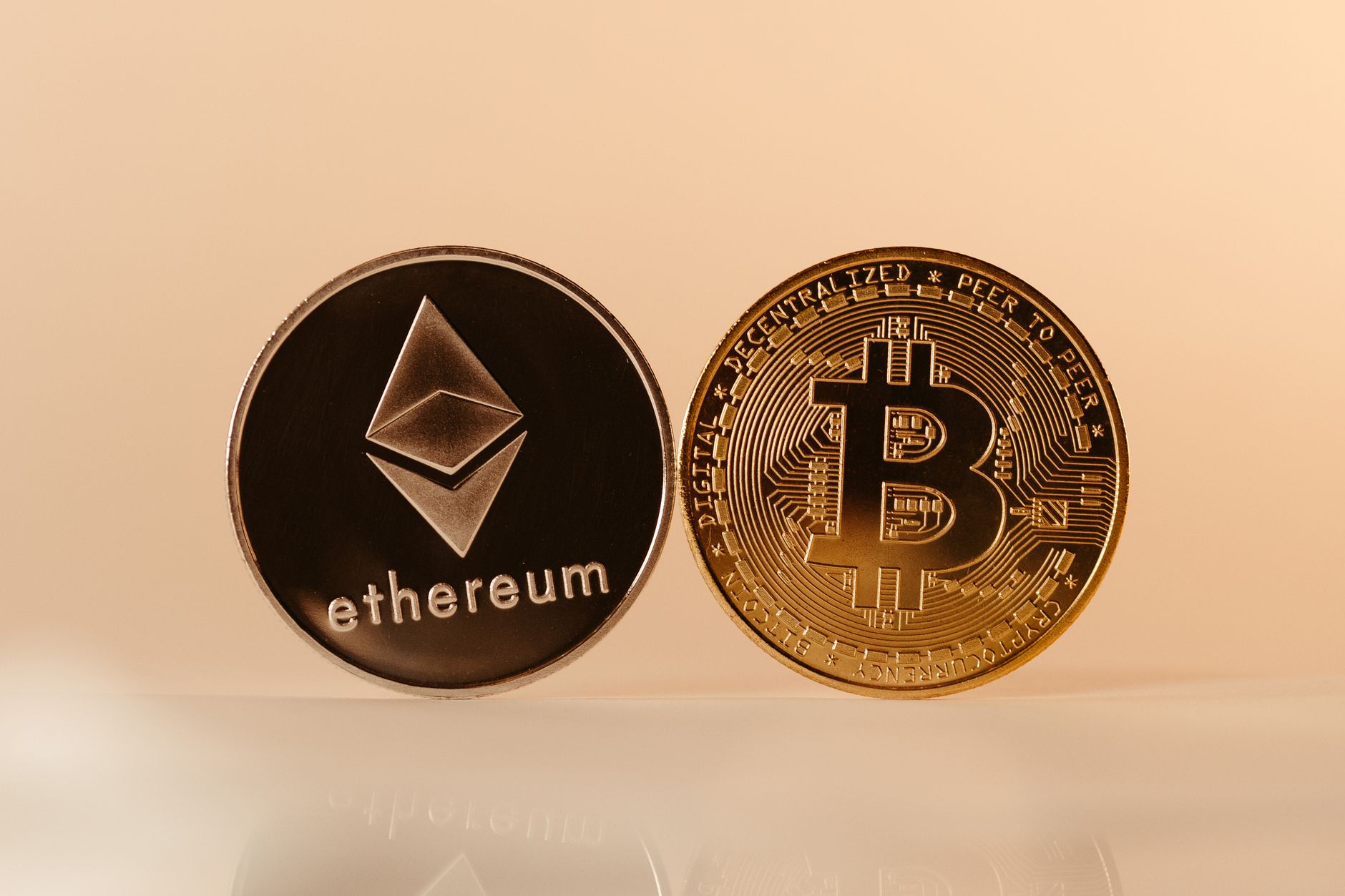
As of today, the total liquidity locked in DEXs has surged to approximately $120 billion, a 30% increase from last year. Popular platforms like Uniswap and SushiSwap report trading volumes exceeding $10 billion in the past 24 hours, reflecting robust user engagement. Bitcoin trades around $45,000, while Ethereum hovers near $3,200, both showing signs of volatility due to DEX market shifts.
What the Experts Are Saying
"The increased efficiency and accessibility of DEXs are fundamentally changing the trading landscape, making it imperative for investors to adapt quickly." — Ava Chen, Chief Analyst at Crypto Insights "While the growth is promising, investors should remain cautious of potential regulatory hurdles that could disrupt the current momentum." — Derek Lee, Senior Economist at Blockchain Research Group
What Happens Next? Three Scenarios for 2026
Scenario 1 (Most Likely): Continued growth in DEX liquidity, leading to increased market stability and wider adoption among retail and institutional investors (70% probability). Scenario 2 (Upside): A favorable regulatory environment boosts DEX adoption, resulting in liquidity growth exceeding $200 billion and significant price rallies for major cryptocurrencies (20% probability). Scenario 3 (Downside): Regulatory crackdowns in key markets lead to a liquidity squeeze, causing DEX volumes to plummet and impacting prices negatively (10% probability).
Frequently Asked Questions
Q: Why is this happening now in 2026?
A: Increased technological advancements and clearer regulatory frameworks are making DEXs more attractive for both individual and institutional investors.
Q: How does this affect the overall crypto market in 2026?
A: The rise of DEX liquidity is contributing to more stable trading conditions and could lead to higher asset prices as trading becomes more efficient.
Q: Should investors act on this news?
A: Investors should consider diversifying their portfolios to include DEX-based assets, but must also remain vigilant about regulatory developments that could impact the market.
Q: What's the timeline for impact?
A: Immediate impacts are already being felt, with potential regulatory changes expected in the next 3-6 months.
Bottom Line
For regular investors today, the surge in DEX liquidity presents an opportunity to engage with a rapidly evolving market, but caution is advised as regulatory landscapes shift.