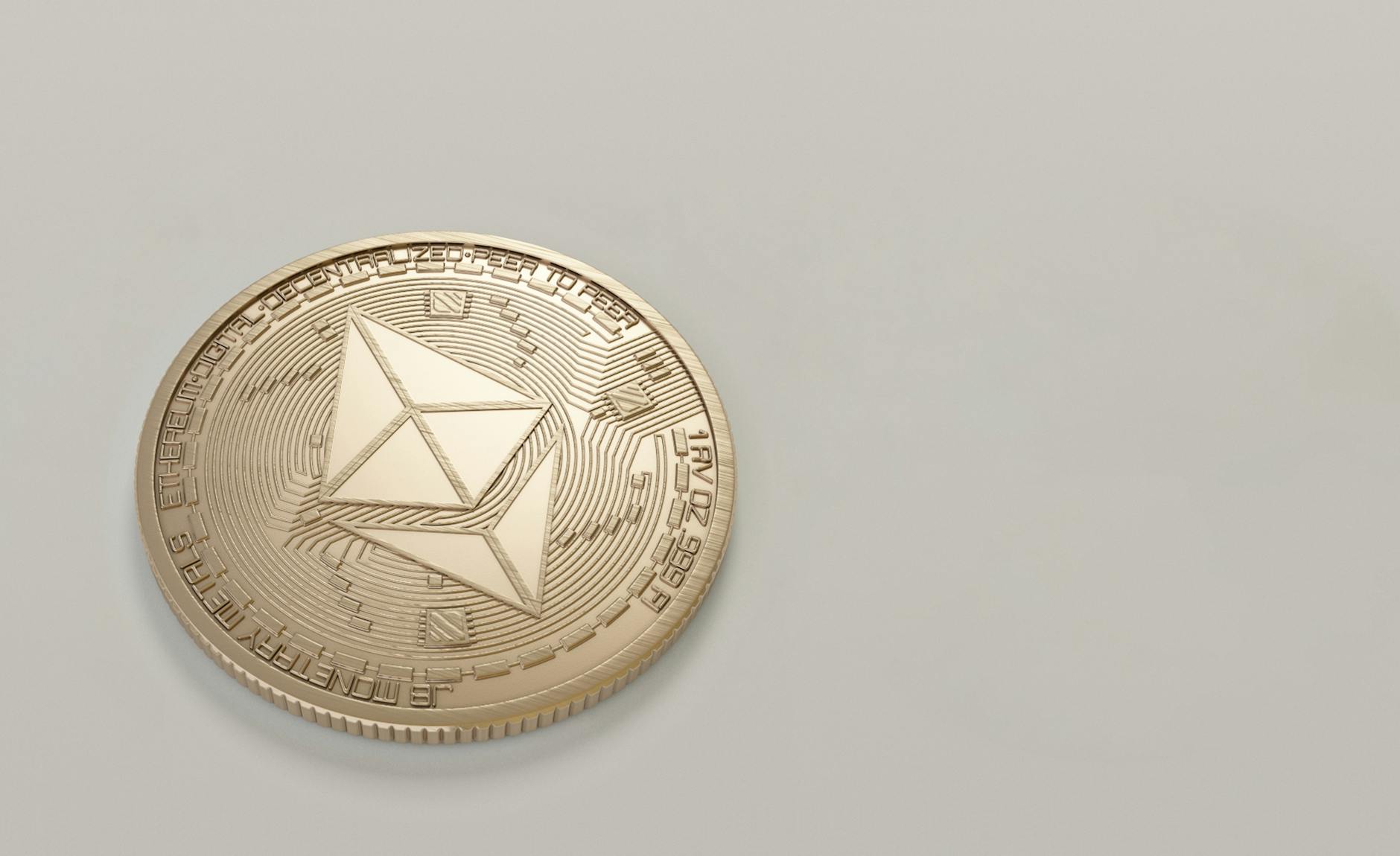
Ethereum in 2026 Analysis: The Bottom Line (April 18, 2026)
Ethereum is currently navigating a transformative phase, bolstered by five significant upgrades aimed at enhancing scalability, security, and usability. As of today, ETH is trading at approximately $2,900, reflecting a stable increase from earlier this year, driven by institutional interest and ongoing adoption in decentralized finance (DeFi) and non-fungible tokens (NFTs).
Key Data Points (2026):
- Current market capitalization: $350 billion
- Daily trading volume: $15 billion
- Active addresses: 1.2 million
- Average gas fees: $0.45
Current Market Position
As Ethereum sits at $2,900, it has shown resilience amidst a volatile market, largely attributed to its recent upgrades and increased institutional investment. The price has fluctuated between $2,700 and $3,100 over the past month, indicating a cautious yet bullish sentiment among traders.
What the Data Says
Ethereum's trading volume has seen a significant uptick, averaging $15 billion daily, which suggests strong market interest and liquidity. Institutional flows are also positive, with approximately $5 billion in inflows recorded this quarter alone. Macroeconomic factors, including a stabilizing global economy and reduced inflation rates, have improved investor confidence, further enhancing Ethereum's position.
Bull Case vs Bear Case for 2026
Bull Case (Target: $3,500 - $4,000)
- Upgrades Driving Adoption: The successful implementation of sharding and Layer 2 solutions is expected to increase transaction throughput, potentially doubling the number of transactions per second.
- Institutional Investment: Growing participation from institutional investors, with over $10 billion in new investments projected this year, could propel prices significantly higher.
- DeFi and NFT Growth: Continued expansion in the DeFi and NFT sectors, with estimated market sizes of $200 billion and $50 billion respectively, will likely enhance Ethereum's utility and demand.
Bear Case (Target: $2,200 - $2,500)
- Regulatory Risks: Increased scrutiny from global regulators could introduce significant compliance costs, impacting the broader crypto market sentiment.
- Market Volatility: The potential for macroeconomic instability, including rising interest rates, could drive investors away from riskier assets like Ethereum.
- Technological Challenges: Any delays or issues in the implementation of key upgrades could undermine investor confidence and lead to price declines.
30-Day Outlook: What to Watch
Investors should monitor the upcoming Ethereum Improvement Proposals (EIPs) scheduled for release in May, as well as the anticipated results from major DeFi projects. Additionally, market reactions to the upcoming Federal Reserve meeting in late April will provide insight into macroeconomic conditions impacting crypto assets.
Frequently Asked Questions
Q: Is Ethereum in 2026: 5 Game-Changing Upgrades Transforming the Blockchain Landscape a good investment in 2026? A: Yes, Ethereum's ongoing upgrades and strong institutional interest position it as a potentially lucrative investment, though caution is advised due to market volatility.
Q: What is the price prediction for Ethereum in 2026: 5 Game-Changing Upgrades Transforming the Blockchain Landscape in 2026? A: A price range of $3,000 to $3,500 seems reasonable, contingent on sustained demand and successful upgrades.
Q: What are the biggest risks for Ethereum in 2026: 5 Game-Changing Upgrades Transforming the Blockchain Landscape right now? A: Regulatory scrutiny, macroeconomic shifts leading to market volatility, and potential technological setbacks are significant risks to watch.
Q: How does Ethereum in 2026: 5 Game-Changing Upgrades Transforming the Blockchain Landscape fit in a diversified portfolio? A: Ethereum can serve as a high-risk, high-reward asset within a diversified portfolio, complementing more stable investments with its growth potential.
Final Verdict
For risk-tolerant investors, Ethereum presents an attractive opportunity driven by transformative upgrades and strong market demand. However, conservative investors may wish to limit exposure until macroeconomic conditions stabilize or seek more established assets for their portfolios.